
Keeping components in use for longer through remanufacture, reuse and redeployment, reducing replacement demand and waste.
Practical circularity for wind turbine operators
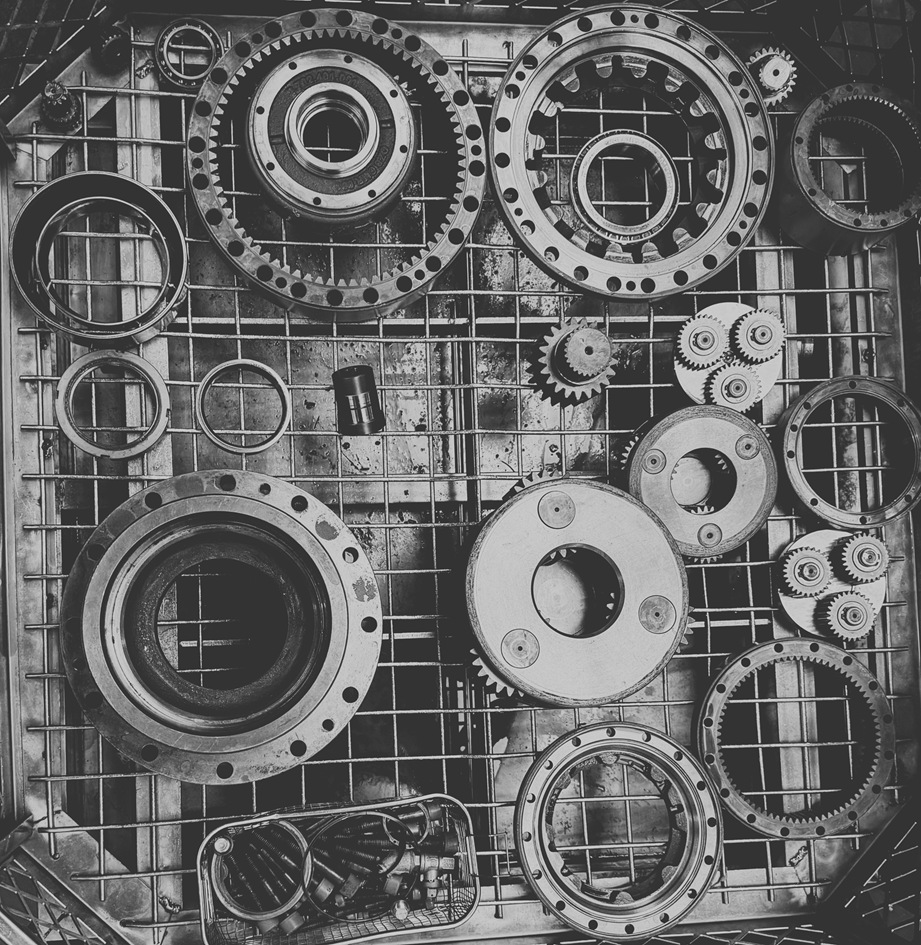
Circular economy is not a slogan for us. It is the way we reduce replacement demand by keeping components in service for longer. We recover value from existing assets through remanufacture, controlled handling, storage and responsive dispatch, helping operators improve availability while cutting waste and cost. The benefits of a circular approach are:
-
Extend service life through refurbishment and remanufacture
-
Reduce lead times with stock holding and regional support
-
Lower waste through reuse, repair and material recovery
-
Improve uptime by keeping critical spares ready to deploy
How we keep components in the loop

Deploy
Parts are dispatched quickly to support planned work and urgent downtime events.

Recover
We identify and source viable components and assemblies that can be returned to service.

Refurbish
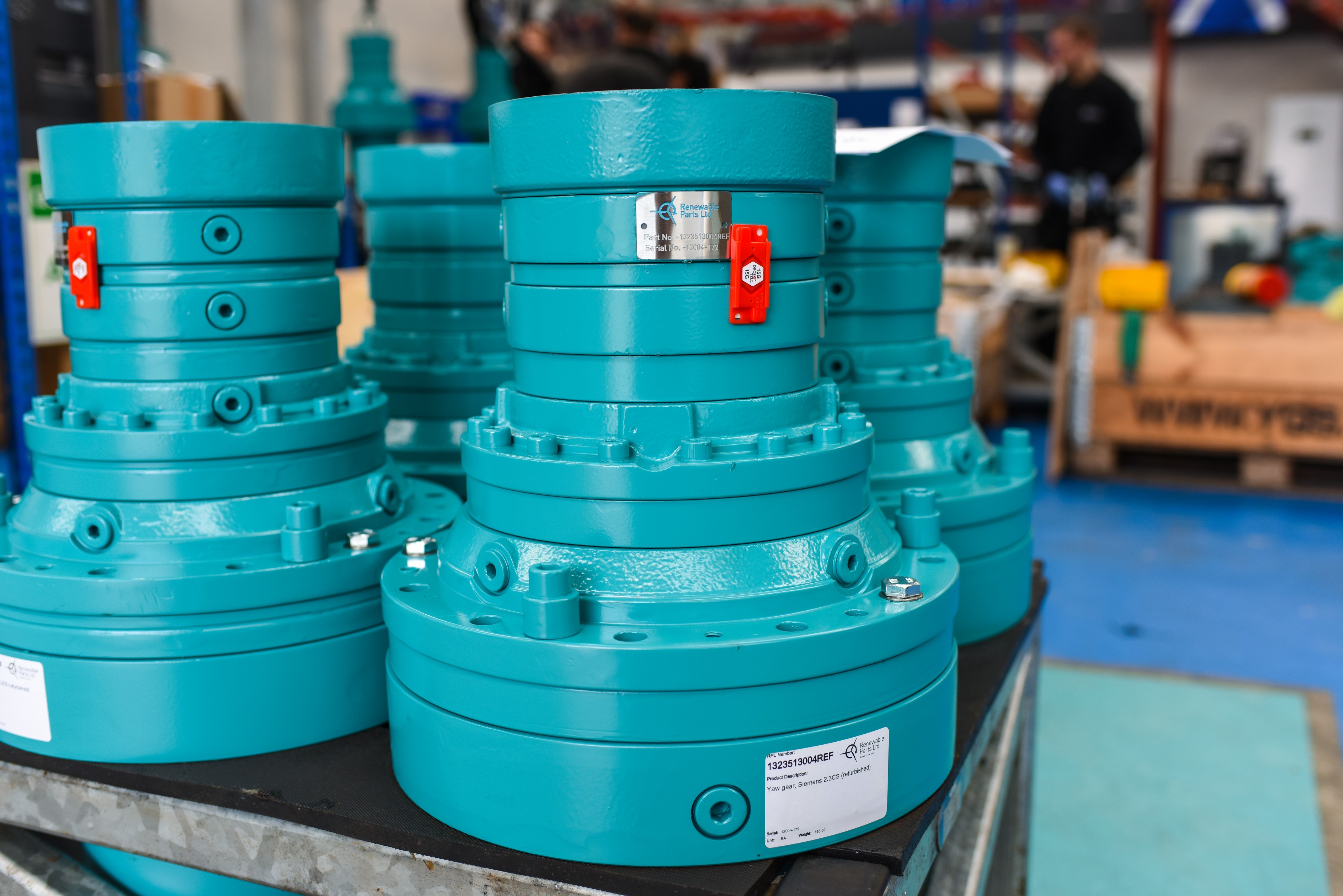
Engineering-led remanufacture aligned to quality requirements and traceability.

Store
Inventory is held ready for dispatch. We can also store customer-owned equipment.
Re-deploy
Parts are dispatched quickly to support planned work and urgent downtime events.
What it delivers
-
Reduced replacement spend
-
Shorter lead times
-
Improved component availability
-
Reduced waste and scrap
-
Greater supply chain resilience
Measurable outcomes
Carbon savings delivered XXXX
Material diverted from waste XXX tonnes
Components returned to service XXX
Parts availability supported SKUs supported
FAQs
What do you mean by a circular economy in wind?
What’s the difference between refurbishment and remanufacture?
Refurbishment restores a component to serviceable condition. Remanufacture is a deeper rebuild where required. The right route depends on condition and criticality.
How do you decide if a component is suitable for reuse?
We assess condition, damage, wear and application requirements, then confirm a repair route with appropriate quality checks and traceability.
Does circularity affect lead time?
It typically reduces risk by holding refurbished stock and supporting regional dispatch, especially for critical spares.